
From Idea to Impact: RRCU and Uganda Lead the Scale-Up of Rheumatic Heart Disease Programs in Africa
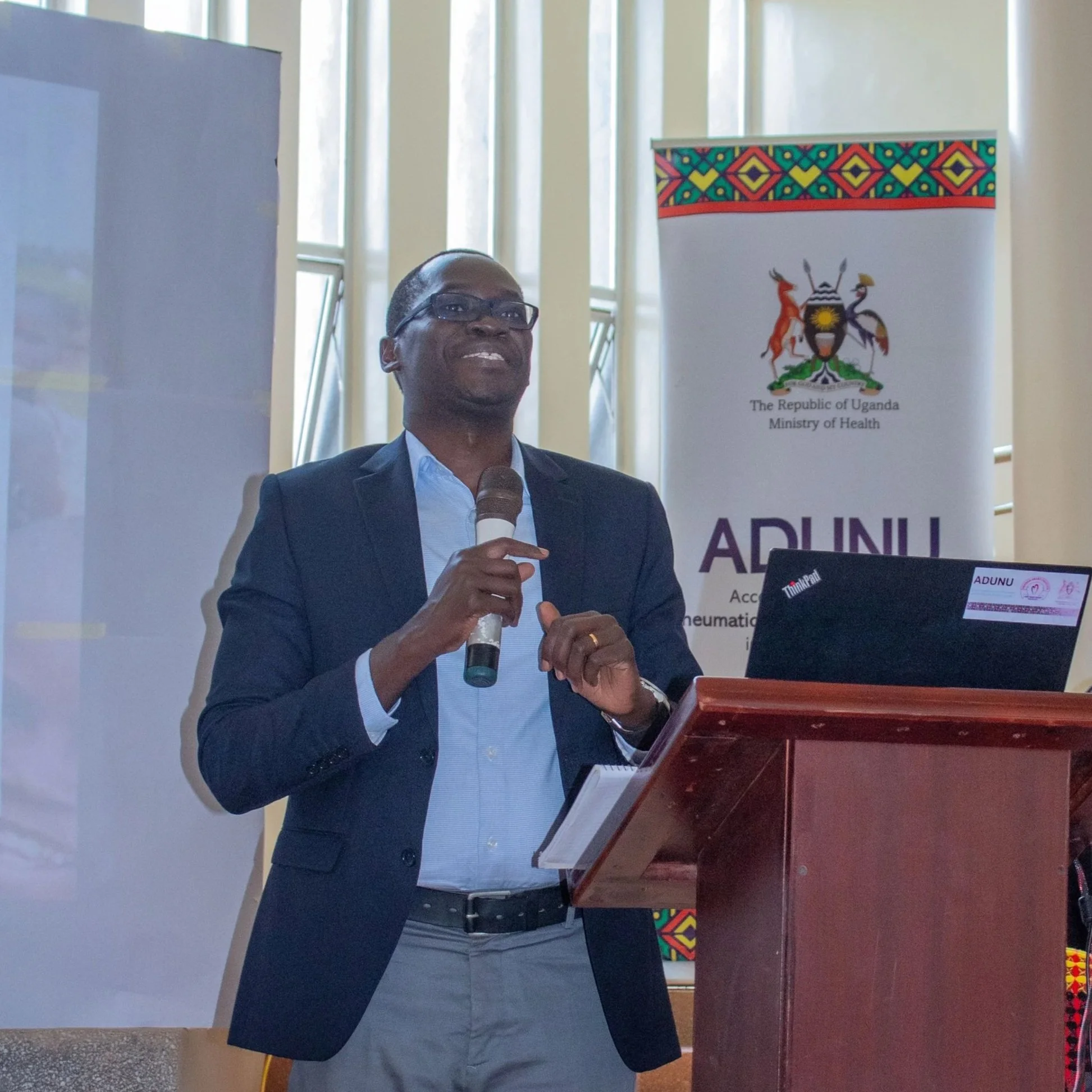
RRCU co-director, Dr. Emmy Okello presenting to stakeholders in Uganda.
RRCU is at the forefront of transforming how rheumatic heart disease (RHD) is detected and managed in low-resource settings. Together with partners including Reach, Cincinnati Children’s Hospital Medical Center and the University of Washington Department of Global Health, RRCU has received a $10.9 million award from Coefficient Giving to expand and refine the ADUNU program—one of the first real-world models for large-scale RHD screening.
In partnership with the Uganda Ministry of Health and the Uganda Heart Institute, ADUNU is implemented by Ugandan clinicians, nurses, and community health teams. The program integrates nurse-led screening using handheld ultrasound across schools, clinics, and communities, alongside strengthened referral pathways and district-level cardiac care.
In just two years, Ugandan teams have screened more than 50,000 people across two districts, identifying over 500 previously undiagnosed RHD cases—demonstrating both the feasibility and impact of a locally led, system-integrated approach to RHD detection and care.
Building on this success, RRCU and its partners will focus on improving efficiency and scalability while supporting adaptation in additional countries. The effort aims to generate practical, transferable models that enable national RHD programs to expand access to early detection and care.
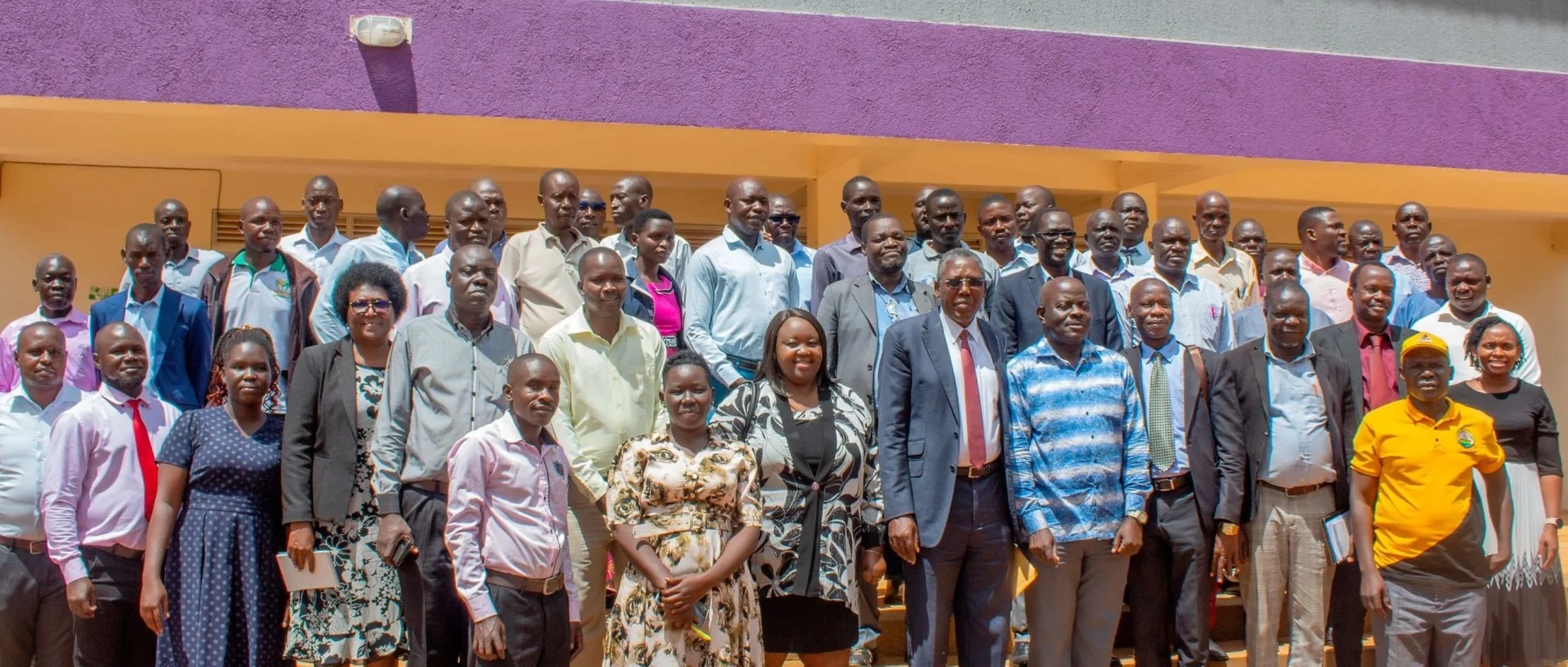
Uganda stakeholders, community members, and study staff gathered for the launch of the original ADUNU program.